Best Games

A Little to the Left

Become A Fashion Designer

Friday Night Funkin vs Hatsune Miku

The Choicer Voicer
Voted Game
The Choicer Voicer 2

Sharks and Minnows

Rooftop Snipers 2

Eye Catching FNF



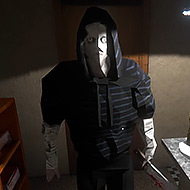
The Choicer Voicer is a voice-based party game built around one simple idea: hear a reference performance, step up to the microphone, and try to recreate the way it sounds. Instead of following a traditional story, completing a campaign, or unlocking a fixed cast of characters, the game puts you in a studio with a microphone, a judging panel, and a library that you can build yourself. The clips you collect, organize, and turn into voice packs become the material behind your sessions.




That open-ended structure is one of the most important things to understand before playing. The Choicer Voicer does not rely on a long progression system to keep every session moving forward. Its replay value comes from the performances you create, the clips you add to your collection, and the people you play with. A pack built around movie lines can produce a completely different experience from one filled with cartoon voices, personal jokes, or clips chosen specifically for a group of friends.
For new players, the empty content library can initially look unusual. There may be a moment when you wonder whether something is missing. In reality, that blank space is part of the design. The game gives you the studio and the judging format, while you help decide what belongs on the stage. Once you understand that idea, the rest of The Choicer Voicer starts to make much more sense.
At its core, The Choicer Voicer is a vocal-impression game show centered on a straightforward loop. A reference clip plays, you listen to the delivery, and then you attempt to reproduce it using your own voice. Your performance is submitted to the judging panel, which responds with a score and its own reactions. The basic mechanic is easy to understand within a few minutes, but getting consistently strong results requires considerably more attention than simply repeating the words from the clip.
The important distinction is between saying the same thing and sounding like the reference. The judges are concerned with the performance itself: pitch movement, timing, pacing, emphasis, pauses, and the overall character of the delivery. A player can remember every word correctly and still produce a disappointing result if the line is delivered too quickly or without the same rhythm as the reference. On the other hand, an imperfect line can sometimes work surprisingly well when the timing, cadence, and tone are close to the original.
This is where much of the game’s challenge comes from. The first few rounds can feel unpredictable because players naturally concentrate on the spoken content. With more practice, attention tends to shift toward the way the clip is performed. You begin listening for where the speaker slows down, where a word receives extra emphasis, where the pitch changes, and how much space exists between individual parts of the sentence.
The judging system does not provide a detailed technical report explaining every point gained or lost. That can be frustrating for players who prefer completely transparent scoring systems, but it also means that learning the game involves developing your own sense of what produces a convincing imitation. Instead of receiving a spreadsheet showing exact pitch accuracy or timing percentages, you get a score and a reaction from the panel and gradually learn to connect those results with the choices you made during the performance.
One of the defining features of The Choicer Voicer is its approach to content. Rather than depending entirely on a large collection of permanently built-in prompts, the game expects players to create and organize their own material. A voice pack is essentially a collection of audio clips prepared for use in the studio. Once you have a pack ready, it can become the foundation for a complete session.
This changes the relationship between the game and its content. In a conventional party game, players usually select from a predetermined list and eventually see most of what the developers included. Here, the content can keep changing because the players themselves decide what belongs in the library. One session might revolve around familiar movie dialogue, while another could use clips selected from cartoons, internet culture, personal recordings, or jokes that only make sense to the people in the room.
Building a pack is therefore more than a technical preparation step. It is part of the creative side of the game. Choosing clips that are recognizable, varied, and entertaining can have a major effect on how a session feels. A collection made entirely from extremely difficult lines may turn into a frustrating challenge, while a pack containing familiar but expressive performances can make it much easier for everyone to participate.
For a first session, it is usually better to start small. A handful of clips that you already know well is enough to learn the basic loop. You can expand the collection later once you understand how the studio handles the material and what kinds of performances your group enjoys most.
The first session of The Choicer Voicer is slightly different from the first session of a traditional game because preparation matters. Before concentrating on scores, spend a few minutes making sure the microphone works correctly and the content you want to use is ready. A short test can prevent technical problems from interrupting the middle of a group session.
Start with a small voice pack rather than trying to build a huge library immediately. Pick clips that are easy to recognize and contain enough vocal character to imitate. Once those clips are working correctly, you can experiment with more difficult material. This gradual approach also makes it easier to understand what the judging panel seems to reward.
Testing a short recording before committing to a longer session is one of the simplest habits worth developing. Check that the microphone is receiving your voice clearly, that background noise is not overwhelming the recording, and that the volume is comfortable. Discovering an audio problem before everyone takes their first turn is much better than stopping the game after several rounds.
The same principle applies when creating longer recordings. A microphone issue that is barely noticeable during a short test can become extremely distracting during a much longer performance. Taking a few seconds to verify your setup is therefore useful even when everything worked correctly during your previous session.
The control scheme is intentionally light because The Choicer Voicer wants the focus to remain on your voice rather than on complicated combinations of buttons. The most important interaction happens when you actually perform, so menus and basic navigation should not become the main challenge.
The controls themselves are quick to learn. Microphone setup deserves more attention. The core of the game depends on vocal performance, so poor input quality can affect the entire experience. A headset microphone can be useful because it generally keeps the microphone closer to the speaker and reduces the amount of room sound captured during a take.
Room echo and background noise are particularly noticeable when several people are playing together. If multiple microphones are active at the same time, unwanted audio can also make it harder to tell which player’s voice is being recorded. Testing each setup before beginning a competitive session can save considerable time.
It is also worth remembering that a better microphone cannot replace a good performance. Hardware can make your voice easier to capture, but the important part of The Choicer Voicer remains the delivery itself: timing, pitch, rhythm, emphasis, and the overall character of the reference.
The Choicer Voicer works particularly well when treated as both a practice experience and a group activity. Playing alone gives you a quiet environment in which to learn how the judging system reacts, while a group session introduces competition, audience reactions, and the unpredictable humor that comes from hearing several people attempt the same performance.
Solo play is useful when you are creating or testing a new pack. You can work through clips without worrying about turn order, interruptions, or whether everyone else is waiting for you. It also gives you a chance to experiment with different delivery styles and figure out which parts of the reference are most difficult to reproduce.
Group sessions change the atmosphere considerably. With several players sharing the studio, the score becomes only part of the entertainment. Everyone hears the same reference and then produces a different interpretation of it. Someone who sounds confident may unexpectedly receive a lower result, while another player may deliver a strange but surprisingly accurate imitation.
Good microphone organization becomes more important as the number of players increases. Assign inputs before starting and make sure that other voices are not being picked up during an active turn. Audio bleed can create confusion and may make several otherwise good performances sound worse than expected.
The social side is one of the reasons custom voice packs can be so effective. A group can create material specifically for its own sense of humor, which makes the same game feel different from one session to the next. Familiar clips also make it easier for new players to understand what they are expected to imitate.
The studio can also be approached as a recording space rather than only as a competition. Once the basic mechanics are familiar, players can move beyond short scored prompts and experiment with longer voiceover performances. Instead of focusing exclusively on winning a round, the goal becomes delivering a larger piece of dialogue or a complete scene.
This style of play appeals to people who enjoy the performance and recording side of the game more than the competitive scoring. It also opens another way to create material that can be shared with friends or an audience. The same microphone setup and attention to delivery still matter, but the pace becomes less focused on short rounds.
Longer recordings require additional preparation. A small microphone pop, background sound, or volume problem that might be harmless during a short clip can ruin a much longer take. Testing the microphone first is therefore especially important when recording a full voiceover pass.
Most early mistakes in The Choicer Voicer are not difficult to correct once you know what to watch for. The biggest one is treating the reference as a script rather than as a performance.
Players often listen once, remember the words, and then say the line naturally. That approach can produce a recognizable sentence but does not necessarily reproduce the qualities that made the original performance distinctive. Instead, listen for the rhythm of the line. Notice where the speaker pauses, how quickly individual words arrive, and where the pitch rises or falls.
Another common mistake is recording too quickly. A short pause between hearing the reference and starting your own take can give you enough time to mentally reconstruct the delivery. Immediately pressing record can result in a performance that follows the words but loses the rhythm that made the reference recognizable.
Microphone problems are another frequent source of confusion. If your results suddenly become worse across several clips, do not automatically assume that your performance has deteriorated. Check the microphone, background noise, input level, and whether another player’s voice is being captured.
New players can also make the opposite mistake: trying too hard to copy every individual sound. A convincing performance is not necessarily created by obsessing over every syllable. Sometimes the most important part is the overall cadence and emotional shape of the line.
The Choicer Voicer does not need a traditional difficulty curve because much of the challenge comes from the material you choose. When you begin, familiar clips are usually easier because you already know how the original performance sounds. As your collection expands, you can deliberately introduce more difficult material.
Fast dialogue, unusual accents, dramatic changes in emotion, subtle pauses, and unusual vocal patterns can all make an otherwise short clip difficult to reproduce. This creates a natural progression without requiring conventional levels or increasingly powerful enemies.
Another form of progression comes from the player. After several sessions, you begin to recognize which parts of a performance deserve attention. The judging system may still feel somewhat opaque, but your own understanding becomes more precise. Instead of wondering why two similar takes received different results, you start noticing small differences in timing or delivery that may have influenced the outcome.
Building several different voice packs is a good way to keep that progression going. Use one pack for familiar material, another for challenging clips, and another for group sessions. Changing the type of content can make the experience feel fresh without changing the basic studio format.
The homepage gives you the broad picture, but some parts of The Choicer Voicer are easier to understand through focused guides. If you are setting up the game for the first time or want to explore a particular feature in more detail, the guides section can take you directly to the relevant topic.
These guides are designed to complement the homepage rather than replace it. Start here if you want an overview of The Choicer Voicer, then move into a specific guide when you need more detail about one feature.
Listen for rhythm before individual words. When a clip feels difficult, concentrate on its pacing first. The rhythm often tells you more about the character of the performance than the exact pronunciation of every word.
Keep difficult clips separate. If certain references consistently produce weak results, do not simply remove them from your collection. Put them into a separate difficult pack and return to them later. They can become useful practice material.
Change the order in group sessions. Letting the same player perform first every time can create a predictable rhythm. Rotating the order keeps sessions less repetitive and gives everyone a different position in the round.
Experiment with breathing and pauses. When your imitation sounds technically correct but still feels different from the reference, listen to the spaces between words. Breathing, pauses, and changes in speed can have a surprisingly strong effect on the character of a line.
Test before recording something long. Even an experienced player benefits from a short microphone check. A few seconds of preparation is much easier to deal with than discovering an audio problem after a long performance.
The custom-content approach is what separates The Choicer Voicer from a party game that simply provides a fixed list of prompts. The studio itself remains familiar, but the material inside it can change constantly. This means that the game can be shaped around the people playing it.
A group that enjoys movies can build packs around memorable lines. Another group might prefer animation, comedy, dramatic performances, or clips that have become personal jokes. Because the content determines what players have to reproduce, changing the pack can effectively change the personality of an entire session.
It also creates a reason to return to clips that you have already used. A familiar reference can sound completely different when another player attempts it, and the same person may perform it differently after learning what the judges seem to reward. That combination of recognizable material and variable performances is a major part of the game’s replay value.
Although the microphone is the central piece of the gameplay, the experience is not really about producing technically perfect recordings. The strongest group sessions are usually the ones where players are willing to experiment and laugh at performances that do not go according to plan.
A player who takes every round too seriously can miss part of what makes the format enjoyable. The judging system provides competition, but the performances themselves create much of the entertainment. Hearing four people interpret the same reference in completely different ways can be more memorable than the final score.
That is also why custom packs can work so well for recurring groups. Once players know the references, the challenge moves away from simply recognizing the material and toward finding a convincing or entertaining way to perform it. A pack can gradually become part of the group’s own history.
The Choicer Voicer is a voice-based game centered on reproducing reference performances. Players listen to clips, attempt to imitate them using a microphone, and receive reactions and scores from a judging panel.
A working microphone is essential for the main performance-based gameplay because the game needs to capture your voice. You can still explore menus and content without actively recording, but participating in scored vocal rounds requires a microphone.
Voice packs are collections of audio clips prepared for use in the game. They allow players to determine what material appears during their sessions instead of relying on one fixed collection of prompts.
Yes. Creating and organizing custom voice content is an important part of the game’s design. A small collection is enough to begin, and you can expand your packs as you discover more clips that work well for your sessions.
Both approaches have their own strengths. Solo sessions are useful for learning the mechanics, testing microphones, and practicing difficult clips. Group sessions add competition and a much stronger social element, especially when everyone is performing the same reference material.
The words are only part of a performance. Differences in timing, pitch, pacing, pauses, emphasis, and overall delivery can make two takes sound noticeably different to the judging system even when the spoken text is identical.
Start by listening more carefully to the reference clip. Pay attention to its rhythm, pitch movement, pauses, and emotional delivery rather than memorizing only the words. Recording short practice takes can also help you identify which part of your imitation needs the most work.
There is no need to start with a huge collection. A small group of familiar clips is usually enough to learn the workflow and test your setup. Once everything works correctly, you can add more varied and difficult material.
The game depends on your voice being captured clearly. Background noise, room echo, incorrect input levels, or another player’s microphone picking up your performance can interfere with a session. A short test before playing can identify these problems early.
The easiest way to approach The Choicer Voicer is not to think of it as a game with a conventional campaign. Think of it as a studio and performance format that becomes more interesting as you add your own material. Prepare a small voice pack, check your microphone, choose a few familiar references, and run several short rounds before trying more complicated sessions.
Once the basic process feels comfortable, experiment with different types of clips. Try material that demands a wider range of pitch, faster delivery, stronger emotion, or more subtle timing. Then compare how those performances feel in solo practice and in a group. Over time, your own collection becomes a record of the kinds of performances your group enjoys most.
The Choicer Voicer is at its best when the setup becomes almost invisible and the attention moves to the performance. The studio gives everyone the same basic framework, but the clips, voices, mistakes, surprising scores, and reactions make each session different.
The Choicer Voicer is not built around a finish line. There is no traditional campaign that asks you to clear every level and reach a final screen. Instead, its replayability comes from the combination of custom content, vocal performance, judging, and the people taking part in each session.
That structure asks a little more from a new player than a conventional party game because the first session may involve preparing content before the actual competition begins. The benefit is that your sessions do not have to feel identical. A new voice pack can introduce completely different references, a new group can produce completely different performances, and a familiar clip can become challenging again when you try to reproduce it in a different way.
Whether you are interested in practicing vocal impressions, experimenting with custom voice packs, setting up a group session, or simply discovering what makes the judging system react to your delivery, The Choicer Voicer gives you plenty of room to experiment. Use this homepage as the starting point, explore the dedicated guides for specific features, and build a collection of content that makes the studio feel like your own.